
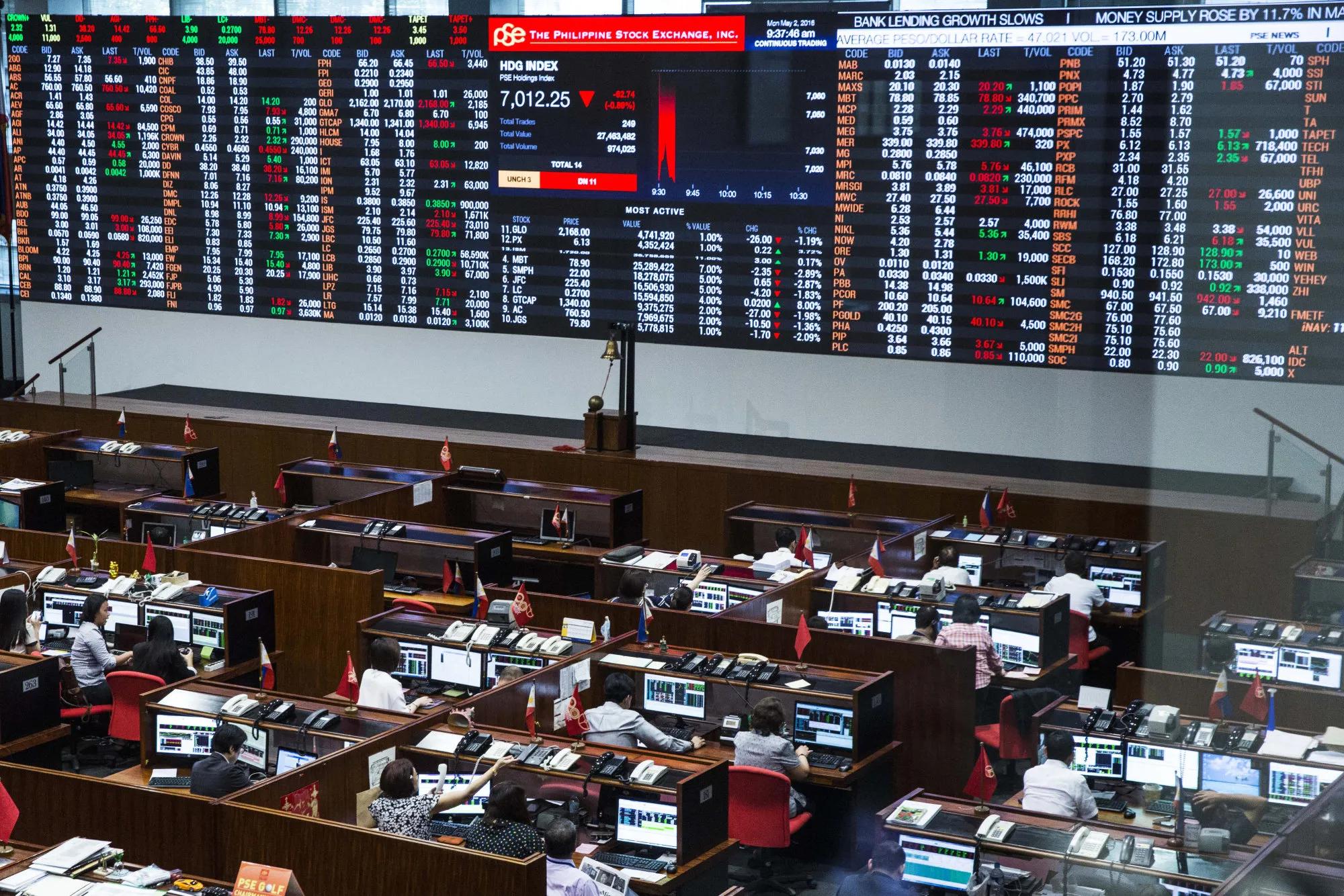
The Philippine stock market ended Tuesday's trading session slightly lower as investors locked in profits and weighed the impact of ongoing geopolitical tensions on the global economy. While the decline was modest, it reflected the cautious sentiment that continues to influence financial markets both locally and abroad.
The benchmark Philippine Stock Exchange Index (PSEi) closed at 6,304.03, down by 0.17%, while the broader All Shares Index also slipped. Analysts attributed the decline to last-minute profit-taking as investors remained concerned about uncertainties in the Middle East and their potential impact on global inflation, energy prices, and economic growth.
A Market Taking a Breath
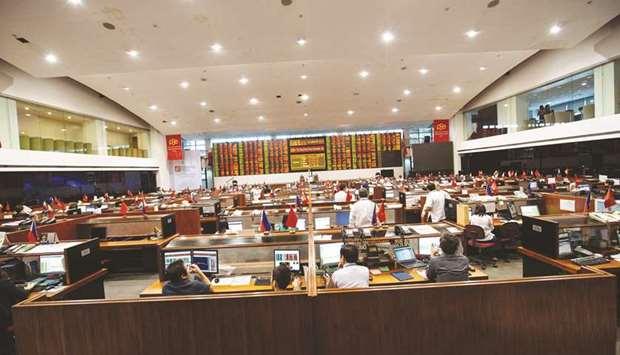
After several weeks of fluctuating performance, many investors chose to secure recent gains rather than take on additional risk. This type of movement is common in financial markets, particularly when global events create uncertainty.
Despite the slight decline, trading activity remained healthy, indicating that investors are still actively participating in the market rather than exiting it altogether. In fact, foreign investors continued to show confidence by recording net buying activity, suggesting that international interest in Philippine equities remains intact.
Global Events Continue to Influence Local Businesses
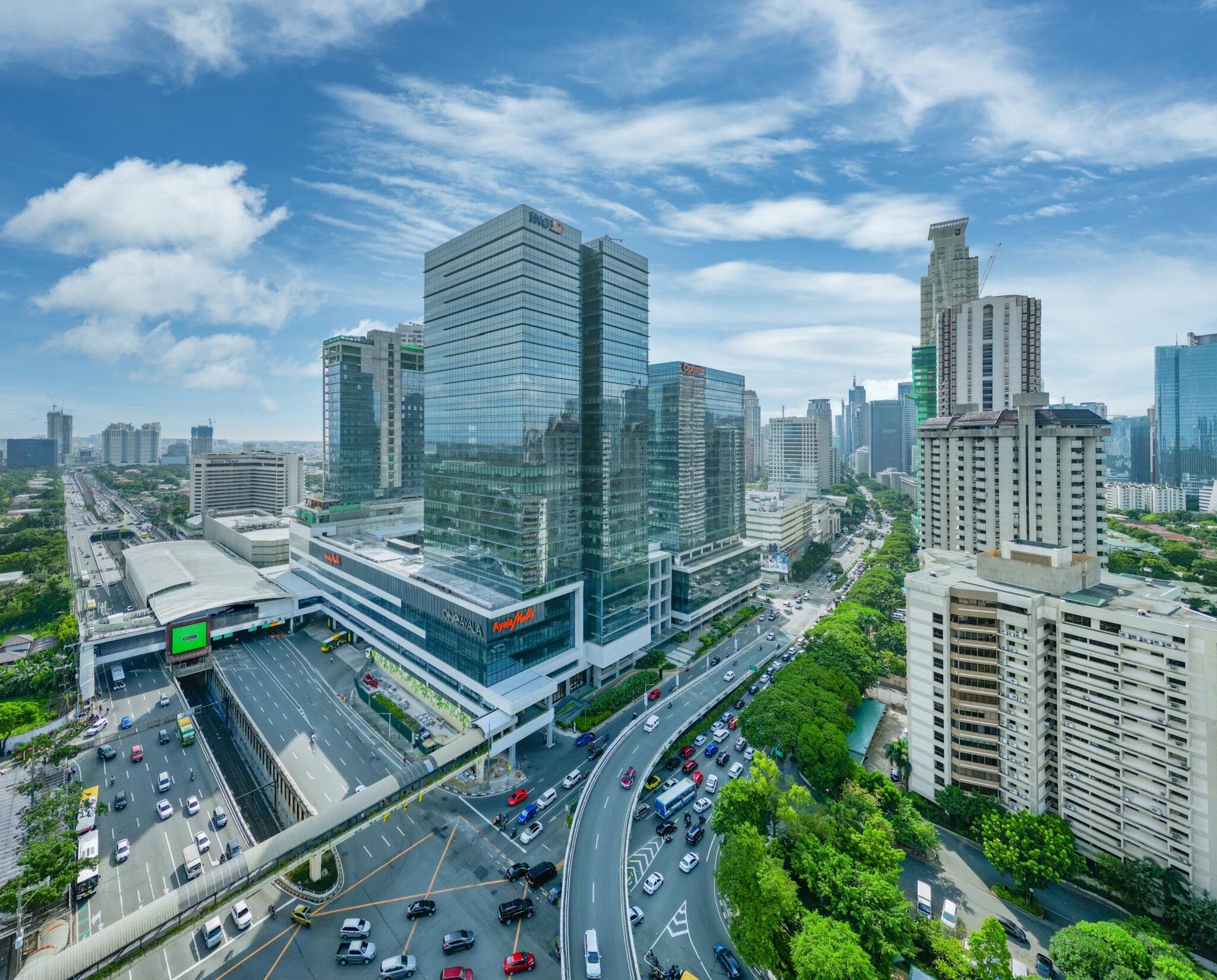
Today's markets are more connected than ever. A geopolitical conflict thousands of kilometers away can quickly influence business decisions in the Philippines.
Concerns surrounding global stability often affect:
Fuel and transportation costs
Import and export expenses
Manufacturing costs
Consumer confidence
Foreign investments
Exchange rates
For businesses that rely on imported materials, international logistics, or overseas clients, these developments can directly affect operating costs and profitability.
What This Means for Philippine Businesses
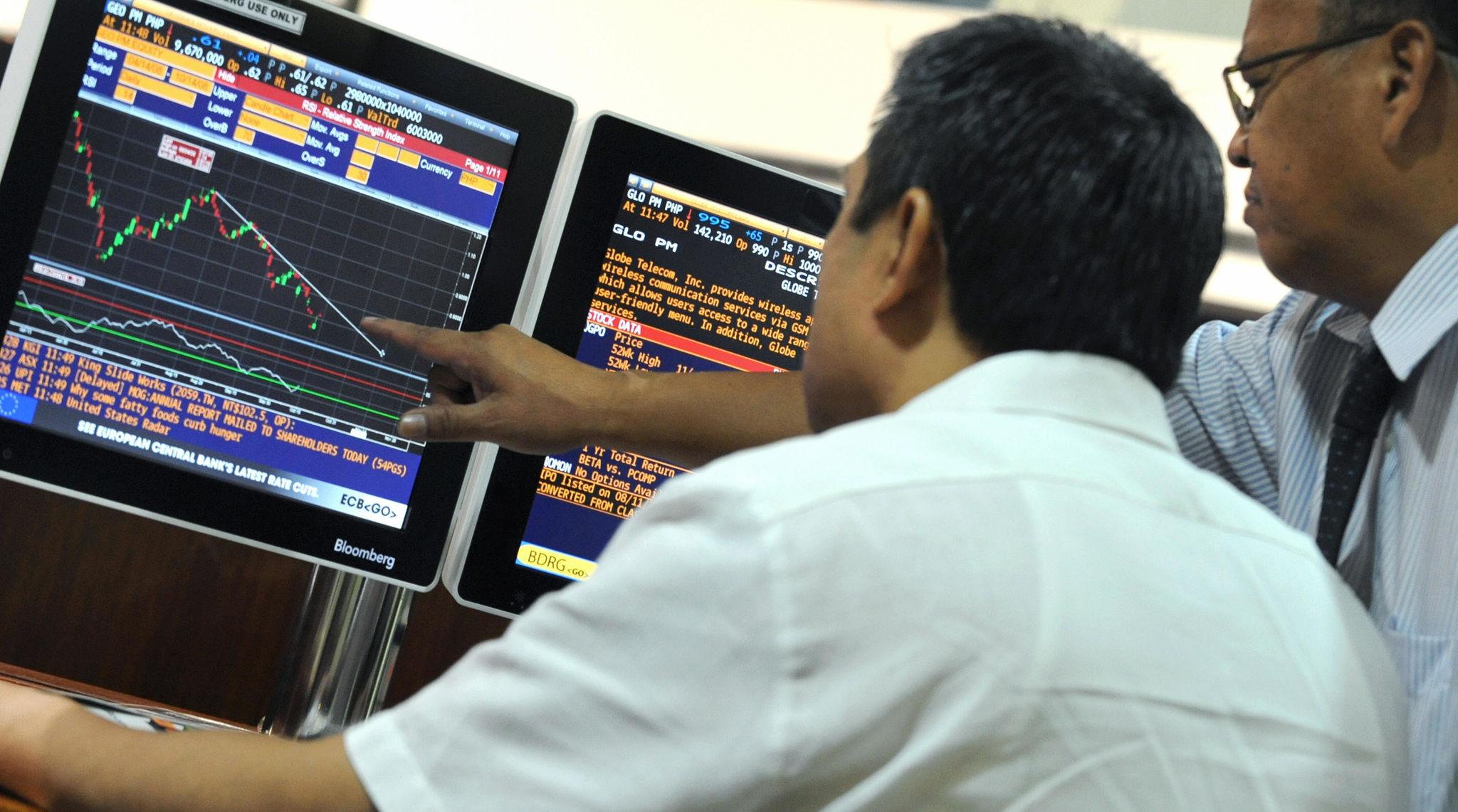
Although stock market fluctuations may seem relevant only to investors, they often serve as an early indicator of broader economic sentiment.
Business owners should continue monitoring:
Interest rate movements
Oil price trends
Currency exchange rates
Consumer spending patterns
Global supply chain conditions
Companies that maintain strong cash flow, control operating expenses, and diversify their revenue streams are generally better positioned to navigate periods of market uncertainty.
Opportunities Still Exist
Market volatility does not necessarily signal economic weakness. Periods of uncertainty often encourage businesses to improve efficiency, invest in digital transformation, and strengthen customer relationships.
Organizations that continue innovating, adopting technology, and making data-driven decisions are often better prepared to capitalize on opportunities when market confidence returns.
Looking Ahead
While investors remain cautious, the Philippine economy continues to benefit from resilient domestic consumption, infrastructure investments, and steady business activity. The coming weeks will likely be influenced by global economic developments, corporate earnings, and central bank policy decisions.
For business leaders, staying informed and remaining adaptable will be more valuable than reacting to short-term market fluctuations.
Editor's Note
At Cipher Fusion, we believe successful businesses are built on long-term strategy rather than short-term market movements. Whether you're investing in digital transformation, automating operations, or building custom software solutions, maintaining a resilient business model is one of the best ways to navigate changing market conditions.
This article is an original editorial analysis inspired by today's market developments and is intended for informational purposes. It should not be considered investment or financial advice.